


Overview
-
Sectors
-
Posted Jobs 0
-
Viewed 10
Company Description
Understanding Legal and Compliance Aspects in Your Outsourcing Journey
This article is a submission by Managed Services Partners. Managed Services Partners is an outsourcing company with over 6 years of experience helping companies improve operations and drive growth.
Embarking on the contracting out journey is an endeavor that many organizations undertake to improve efficiencies, lower expenses, and take advantage of specialized skill.
However, alongside these prospective advantages come a host of legal and compliance complexities that must be carefully navigated to guarantee the success and sustainability of contracting out initiatives.

This comprehensive guide will check out essential legal and compliance factors to consider, with a focus on information personal privacy laws, non-disclosure agreements (NDAs), non-compete stipulations, and the important role of flexibility in today’s vibrant service environment.
The outsourcing landscape
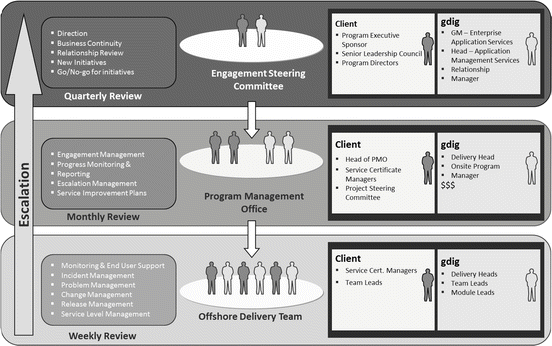
Outsourcing is more than a strategy for unloading non-core tasks; it is a transformative method that can improve a business’s versatility and competitiveness.
Whether it’s IT services, consumer support, making procedures, or personnels, outsourcing can use a considerable edge. Companies that successfully outsource can focus on core organization operations, drive development, and access top talent without the overhead expenses of full-time employment.
However, this journey is not without its legal and compliance obstacles. Companies must be mindful of the intricacies surrounding the transfer and management of data, the defense of intellectual residential or commercial property (IP), and the upkeep of regulative compliance.
Given the worldwide nature of outsourcing, companies should likewise think about cross-border legal ramifications, which may vary significantly depending on the nation where the outsourcing company runs.
Understanding these elements is important in ensuring that outsourcing collaborations line up with a business’s tactical objectives while reducing possible legal threats.
In a lot of cases, services that overlook legal and compliance factors to consider face costly conflicts, loss of sensitive information, or reputational damage that can take years to recover from.
Importance of legal factors to consider
Outsourcing inherently includes legal factors to consider that are important to protecting a business’s interests. At the forefront is the need to protect delicate information. Companies need to understand and adhere to data personal privacy laws that govern the jurisdictions in which they run.
This is specifically vital as information breaches can result in extreme financial penalties and reputational damage.
Furthermore, intellectual home rights should be clearly defined in outsourcing agreements to prevent unauthorized usage or misappropriation of proprietary assets. If these rights are not effectively established, a company might lose control over critical innovations or personal business processes.
For services running in highly regulated markets such as healthcare, financing, or legal services, compliance requirements are a lot more rigid.
Complying with policies such as the General Regulation (GDPR) in Europe or the Medical Insurance Portability and Accountability Act (HIPAA) in the United States is vital to avoiding legal problems.
Non-Disclosure Agreements (NDAs) and non-compete stipulations
When outsourcing, companies frequently share proprietary information with external service suppliers.
To secure this important details, NDAs are employed. These arrangements are created to avoid the unapproved dissemination of secret information, consequently securing the business’s competitive benefit.
NDAs must be detailed and lawfully binding, clearly describing what makes up secret information and the obligations of both parties in handling delicate data. Businesses should also guarantee that their NDAs include provisions for legal recourse in case of breaches.
Similarly, non-compete provisions can be included to prevent service providers from making use of sensitive understanding acquired throughout the contracting out partnership to benefit a competitor. This is especially essential when contracting out freelancers or companies that might have multiple clients in the very same industry.
However, the enforceability of non-compete stipulations can differ significantly depending upon the jurisdiction. Some areas have stringent regulations restricting the scope and duration of such stipulations.
Therefore, it’s crucial for business to speak with legal specialists with experience in the pertinent legal structures to prepare efficient arrangements.
Contracts: Setting the foundation
Contracts function as the plan for the outsourcing partnership, defining roles, obligations, deliverables, and timelines. They also lay out the legal and compliance expectations for both celebrations.

A well-structured contract should deal with several key aspects:
Scope of work: Clear and detailed descriptions of the services to be offered, including quality standards and efficiency metrics.
Data security: Specific provisions related to information defense, data transfer treatments, and breach notice protocols to guarantee adherence to personal privacy laws.
Copyright rights: Provisions that establish ownership of IP produced throughout the collaboration, and terms that protect pre-existing IP.
Termination provisions: Terms that address the possible end of the outsourcing relationship, consisting of notification periods and conditions under which termination can occur without penalty.
Additionally, organizations should think about implementing service-level contracts (SLAs) to ensure accountability and efficiency tracking. SLAs define measurable benchmarks that the outsourcing supplier should satisfy, supplying services with option if expectations are not satisfied.
Engaging with service providers
Consulting with potential service providers throughout the early stages of the contracting out journey is a tactical relocation. This engagement allows business to determine the provider’s ability to meet legal and compliance requirements.
Thorough vetting procedures, such as asking for references, examining past projects, and assessing compliance certifications, can supply valuable insights into the company’s reliability and adherence to industry requirements.
Businesses must also evaluate the monetary stability of potential outsourcing partners.
A provider that deals with financial obstacles may not have the ability to keep operations long-term, positioning a danger to continuous tasks. Conducting due diligence ahead of time can avoid future disturbances.
The function of versatility in legal and compliance methods
Adaptability is a vital part of effective outsourcing, especially when it comes to browsing developing legal landscapes. Regulations and market conditions can change rapidly, making it important for business to stay nimble.
Building versatility into contracts and establishing processes for ongoing compliance monitoring can assist organizations adapt to new legal requirements and maintain an one-upmanship.
For example, if a company is outsourcing client assistance operations to several countries, they should guarantee compliance with different nationwide laws relating to customer security and information personal privacy.
Regularly updating policies and agreements in response to legal modifications can prevent legal mistakes.
Real-world considerations and best practices
To ensure legal and compliance success in outsourcing, companies must embrace the following finest practices:
Regular audits and assessments
Conduct routine audits and evaluations to make sure that service providers remain compliant with legal and regulatory requirements. This proactive approach can assist identify possible spaces before they escalate into significant concerns.
Training and awareness
Educate staff members and outsourced teams on data security practices and legal commitments. This guarantees that everybody associated with the outsourcing journey comprehends the importance of compliance and the role they play in securing information.
Collaboration and interaction
Foster a collective relationship with provider. Open lines of interaction can help address compliance concerns promptly and assist in joint analytical efforts.
Crisis management planning
Have contingency strategies in place in case of security breaches, agreement conflicts, or service provider failures. A well-structured crisis management strategy ensures that companies can quickly react to difficulties without significant disturbances.
Legal compliance for contracting out success
Understanding the legal and compliance aspects of outsourcing is essential for businesses aiming to leverage external capabilities while securing their interests. By concentrating on key locations such as data privacy, NDAs, non-compete clauses, copyright rights, and versatility, business can efficiently navigate the outsourcing landscape.
Successful outsourcing hinges on a collective approach in between the business and its company. Building trust and preserving transparent communication can result in effective problem-solving and a shared commitment to compliance.