


Hnycareershub
Add a review FollowOverview
-
Sectors
-
Posted Jobs 0
-
Viewed 16
Company Description
NHS: Belonging in White Corridors
Among the organized chaos of medical professionals in Birmingham, a young man named James Stokes moves with quiet purpose. His oxford shoes whisper against the floor as he greets colleagues—some by name, others with the universal currency of a “hello there.”
James displays his credentials not merely as an employee badge but as a symbol of inclusion. It hangs against a pressed shirt that betrays nothing of the tumultuous journey that brought him here.
What separates James from many of his colleagues is not obvious to the casual observer. His presence discloses nothing of the fact that he was among the first recruits of the NHS Universal Family Programme—an undertaking designed specifically for young people who have experienced life in local authority care.

“I found genuine support within the NHS structure,” James reflects, his voice steady but carrying undertones of feeling. His observation encapsulates the heart of a programme that aims to transform how the massive healthcare system perceives care leavers—those vulnerable young people aged 16-25 who have emerged from the care system.
The numbers paint a stark picture. Care leavers frequently encounter greater psychological challenges, money troubles, shelter insecurities, and reduced scholarly attainment compared to their age-mates. Behind these clinical numbers are personal narratives of young people who have navigated a system that, despite good efforts, frequently fails in offering the nurturing environment that shapes most young lives.
The NHS Universal Family Programme, initiated in January 2023 following NHS England’s commitment to the Care Leaver Covenant, embodies a substantial transformation in systemic approach. At its core, it accepts that the whole state and civil society should function as a “collective parent” for those who haven’t known the security of a typical domestic environment.
Ten pioneering healthcare collectives across England have charted the course, creating systems that rethink how the NHS—one of Europe’s largest employers—can create pathways to care leavers.
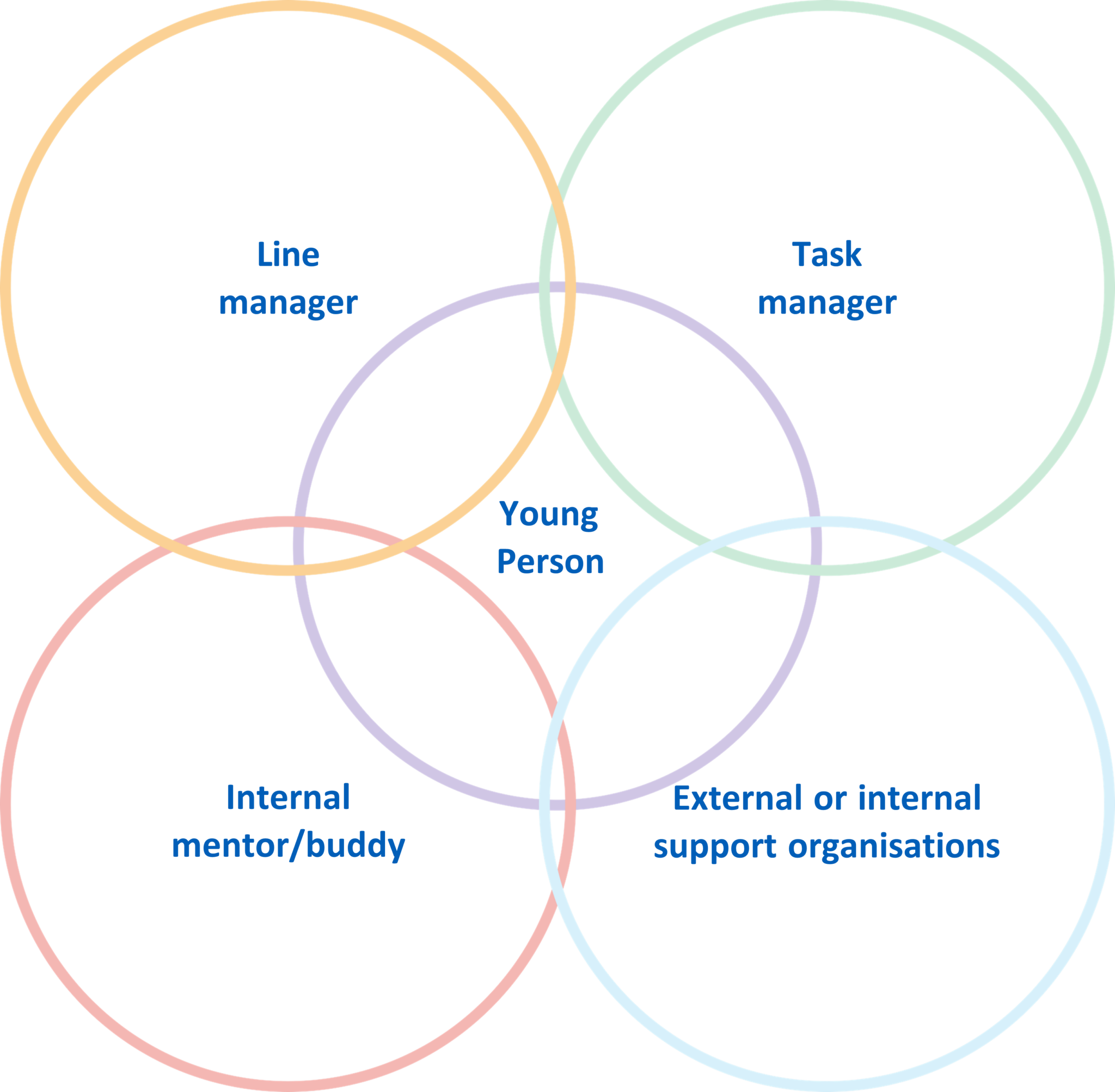
The Programme is meticulous in its strategy, initiating with thorough assessments of existing policies, forming oversight mechanisms, and garnering senior buy-in. It recognizes that meaningful participation requires more than good intentions—it demands concrete steps.
In NHS Birmingham and Solihull ICB, where James began his journey, they’ve created a reliable information exchange with representatives who can offer assistance and counsel on mental health, HR matters, recruitment, and inclusivity efforts.
The conventional NHS recruitment process—structured and potentially intimidating—has been intentionally adjusted. Job advertisements now focus on character attributes rather than extensive qualifications. Application procedures have been reconsidered to consider the specific obstacles care leavers might experience—from missing employment history to having limited internet access.
Perhaps most significantly, the Programme acknowledges that entering the workforce can pose particular problems for care leavers who may be handling self-sufficiency without the backup of family resources. Matters like transportation costs, identification documents, and bank accounts—considered standard by many—can become major obstacles.
The beauty of the Programme lies in its thorough planning—from explaining payslip deductions to helping with commuting costs until that crucial first payday. Even ostensibly trivial elements like coffee breaks and workplace conduct are carefully explained.
For James, whose career trajectory has “revolutionized” his life, the Programme delivered more than employment. It provided him a feeling of connection—that ineffable quality that emerges when someone is appreciated not despite their history but because their distinct perspective improves the institution.
“Working for the NHS isn’t just about doctors and nurses,” James comments, his expression revealing the subtle satisfaction of someone who has secured his position. “It’s about a collective of different jobs and roles, a family of people who genuinely care.”
The NHS Universal Family Programme represents more than an employment initiative. It stands as a strong assertion that systems can adapt to embrace those who have navigated different paths. In doing so, they not only transform individual lives but improve their services through the special insights that care leavers contribute.
As James moves through the hospital, his presence subtly proves that with the right assistance, care leavers can succeed in environments once thought inaccessible. The embrace that the NHS has extended through this Programme symbolizes not charity but acknowledgment of overlooked talent and the profound truth that each individual warrants a community that champions their success.